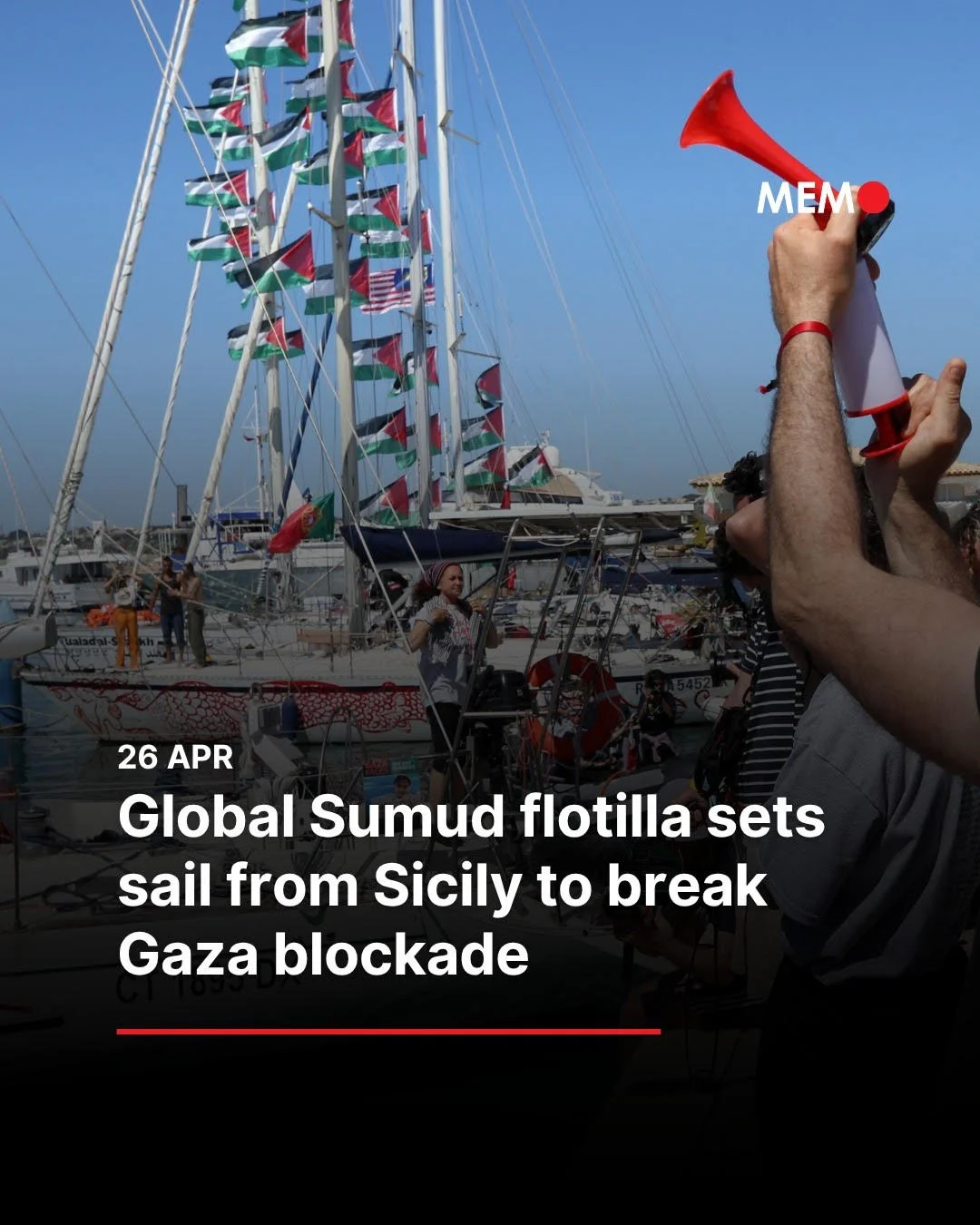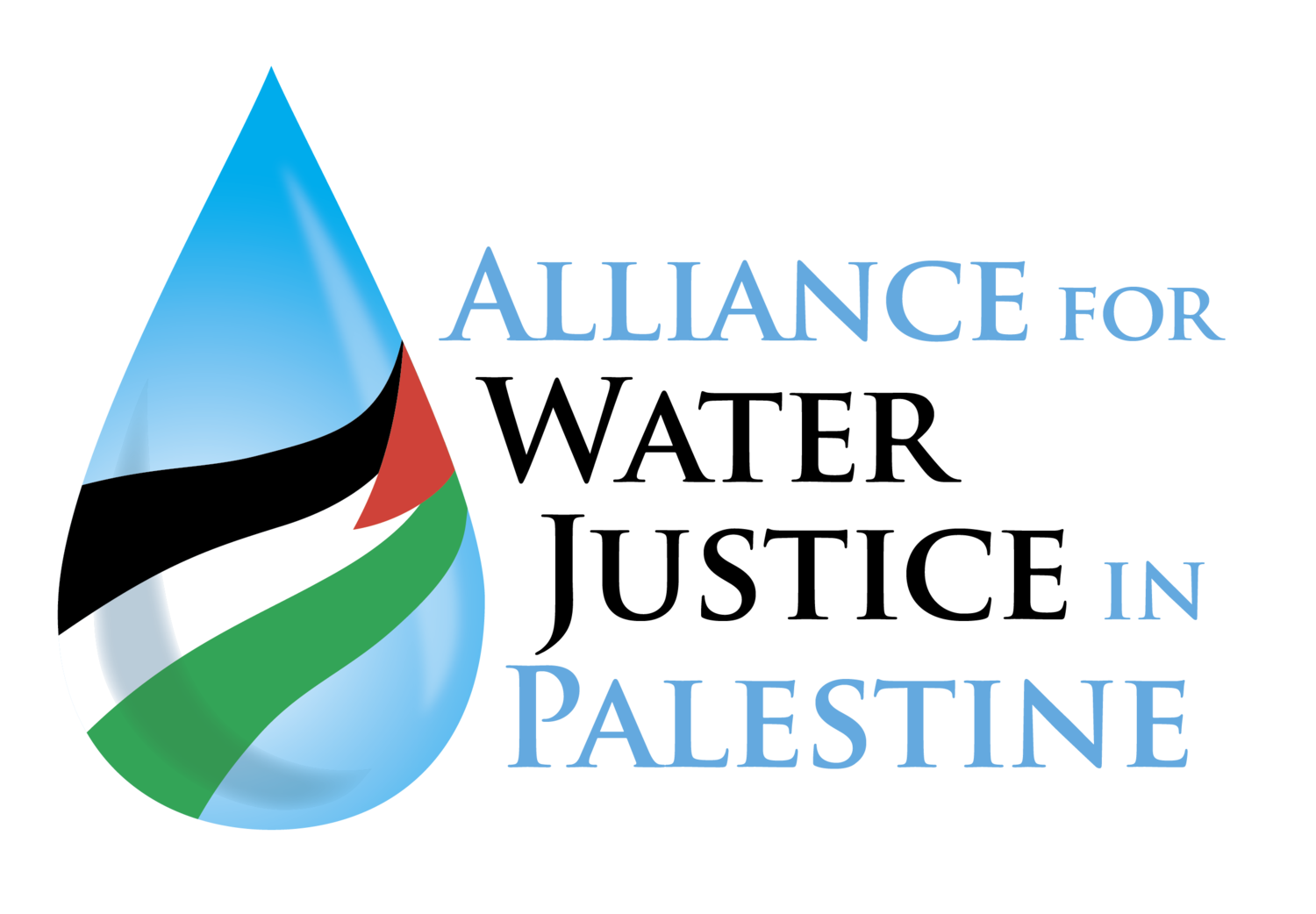
Gaza Before the Genocide; Gaza Now
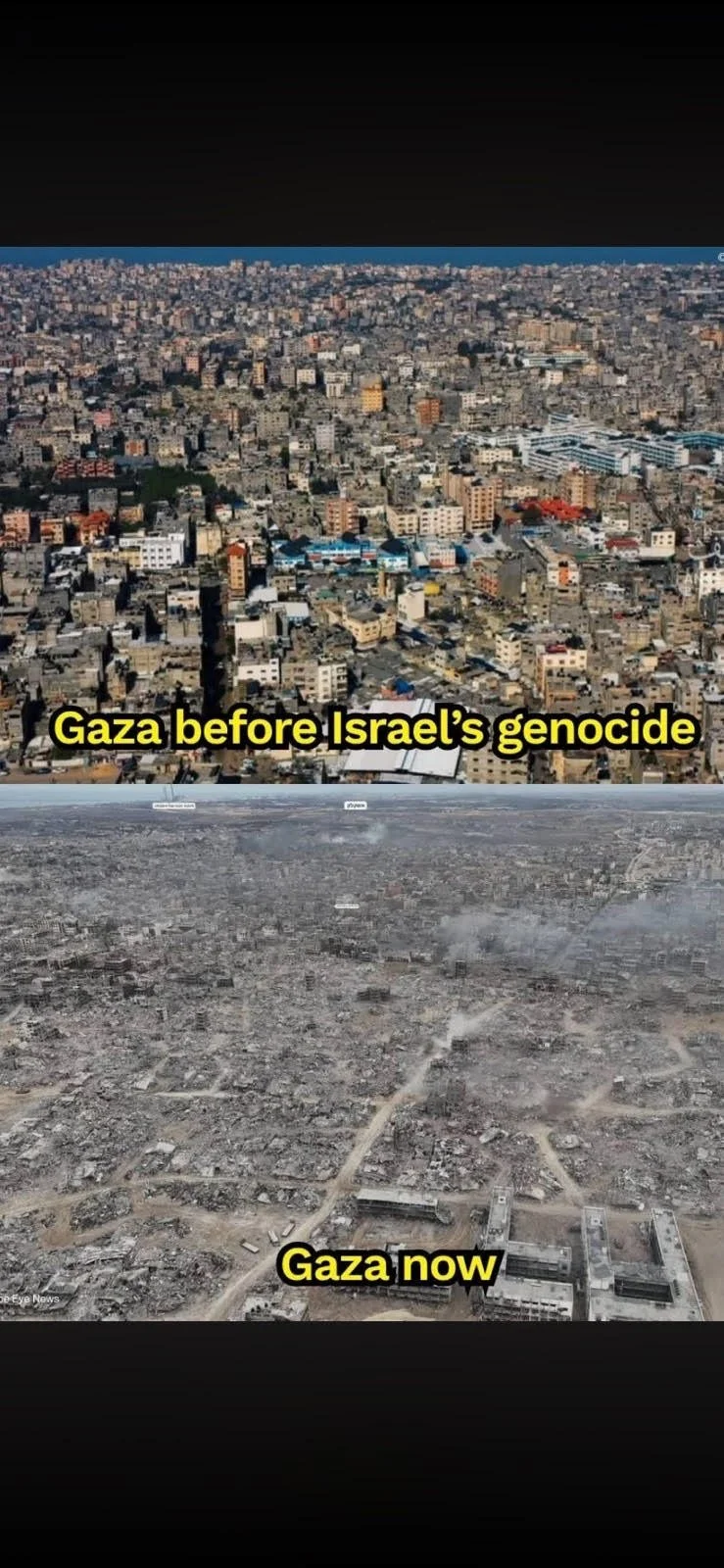
What has happened in Gaza since the start of the Iran war? - Gaza Herald. March 14
Gaza Herald _As global attention has shifted to the war involving the United States, Israel, and Iran, Israeli military strikes and operations in Gaza have continued.
Since October 7, 2023, more than 72,000 Palestinians have been killed in Israel’s war on Gaza, according to Palestinian sources, with women and children making up the majority of the victims. Large parts of the territory have been reduced to rubble during the conflict. In Israel, about 1,200 people were killed and more than 250 were taken captive during the Hamas-led attacks on October 7, 2023.
Below is an overview of developments in Gaza since the Iran war began on February 28.
Border crossing closure
On March 1, Israel closed the Rafah border crossing between Gaza and Egypt. The Israeli military’s Coordinator of Government Activities in the Territories (COGAT) said the decision was part of security measures implemented due to the ongoing war with Iran. Rafah is considered a vital route for humanitarian aid deliveries and for the evacuation of critically ill patients from Gaza.
Panic buying
The closure of the crossing, combined with fears linked to the widening regional conflict, has triggered panic buying across Gaza. Residents, already enduring nearly two and a half years of war,are increasingly worried about potential shortages of food and essential goods.
Ali al-Hayek, a member of the Palestinian Businessmen Association in Gaza, told Al Jazeera that shutting the crossings could disrupt aid distribution to vulnerable families and halt operations at charity kitchens that provide meals for thousands of people.
Calls to reopen crossings
On Tuesday, United Nations Secretary-General Antonio Guterres called on Israel to reopen Gaza’s border crossings. On March 2, Israeli authorities announced that the Karem Abu Salem crossing, known in Israel as Kerem Shalom, would reopen to allow the gradual entry of humanitarian aid into the territory.
Deadly drone strike
On Saturday, an Israeli drone strike killed a father and his daughter in Khan Younis in southern Gaza. Later that day, another attack in the same city left one person dead and a young girl injured, according to Al Jazeera correspondents on the ground.
Fuel and gas shortages
A prolonged shortage of cooking gas and fuel has continued to affect daily life in Gaza since the beginning of the war. Even after the ceasefire, the quantities of fuel entering the territory remain far below the population’s actual needs, according to Gaza officials and United Nations agencies.
Amnesty report on women
Human rights organization Amnesty International recently released a report stating that Palestinian women in Gaza have been denied the conditions necessary to live and give birth safely. The report noted that pregnant women and those suffering from serious illnesses face severe shortages in healthcare services across the territory.
Amid the escalating regional tensions, many residents in Gaza fear that the ongoing conflict involving Iran could further sideline the humanitarian crisis in the enclave. With border crossings restricted, essential supplies limited, and the healthcare system under severe strain, aid groups warn that conditions for civilians could deteriorate further unless humanitarian access is expanded and sustained international attention is maintained.
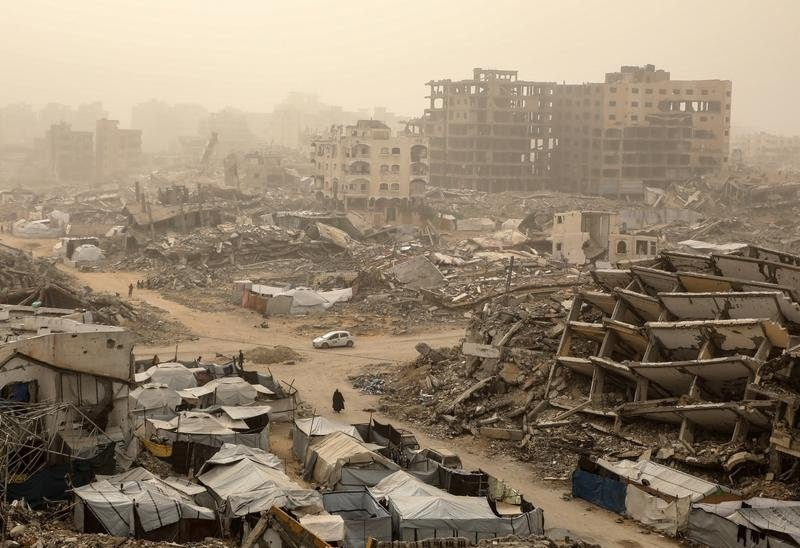
Global Sumud Flotilla Sets Sail from Sicily to Break the Gaza Blockade..April 27, '26
Boats from the Global Sumud Flotilla set sail on Sunday from the Italian island of Sicily as part of the 2026 Spring Mission, in a move aimed at breaking the Israeli blockade on the Gaza Strip and delivering humanitarian aid to its residents.
The flotilla’s vessels had departed from Barcelona on 12 April before arriving in Sicily on 23 April, where they were joined by additional boats and activists from Italy via the cities of Syracuse and Augusta.
The number of participating boats rose to 65 at Augusta Yacht Harbour before completing the necessary departure procedures. The boats then sailed gradually across the Mediterranean Sea according to a set organisational plan.
At sea, a ship belonging to Greenpeace joined the flotilla in what was described as a boost to the civilian initiative.
As the boats departed, participants chanted slogans in support of Palestinians and lit flares, while some exchanged farewells expressing their determination to reach Gaza, according to Anadolu Agency.
This marks the flotilla’s second mission, following a previous attempt in September 2025, which ended when Israeli forces attacked the vessels in October of the same year while they were sailing in international waters and detained hundreds of activists on board.