Did you know about this?

Historic Strike Disrupts Biennale as Thousands March in Venice

Dozens of national pavilions were partially or fully shut down in a strike for Palestine and for workers’ rights.

Hakim Bishara on Hyperallergic

May 8, 2026

VENICE — Artists and cultural workers made history at the Venice Biennale today as they launched a major strike that disrupted the pre-opening of the international exhibition. It is the first cultural strike in the biennale’s 131-year history.

At least 27 of the exhibition’s 100 national pavilions were partially or fully shut down this morning, May 8, while artists draped or altered their works in the main exhibition In Minor Keys as part of a 24-hour strike for Palestine and for workers’ rights. The Arsenale complex, one of the two exhibition venues, was shuttered in advance of the protest.

Beginning at 4:30pm, a massive protest timed with the strike saw thousands of people marching on Via Garibaldi to the Arsenale, filling the city’s streets with Palestinian flags and banners. Upon arrival, they found the Arsenale completely shut down and barricaded by Italian riot police.
READ THE ARTICLE HERE and see great photos.

Humanitarian Situation Report | 7 May 2026

Highlights

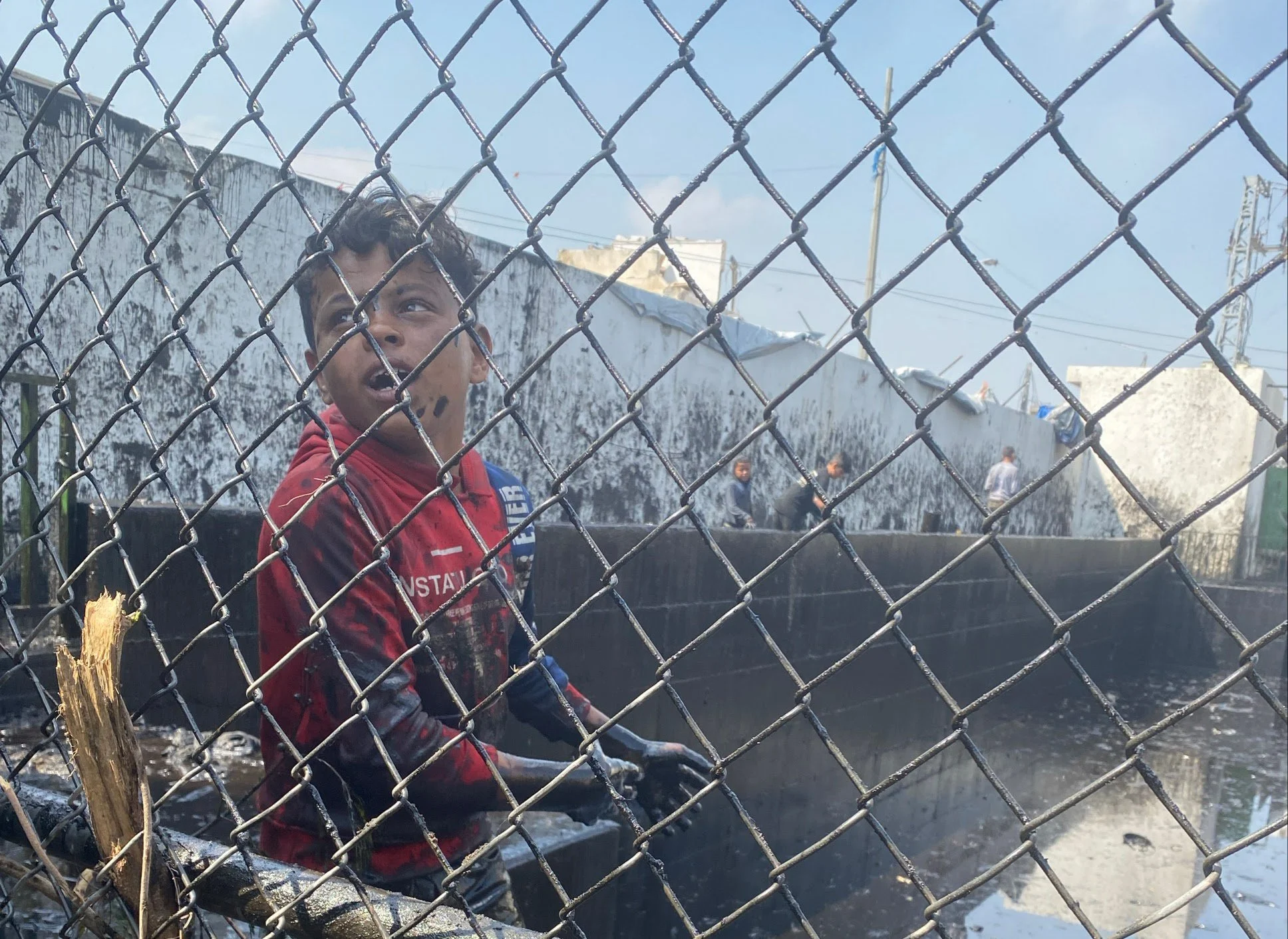
Rapid response supported by the humanitarian community prevented loss of life near a solid waste dumpsite that caught fire in Gaza city.

Rodents and insects continue to drive increases in skin infections and other health risks across Gaza.

In the West Bank, the spread of foot-and-mouth disease is heightening humanitarian concerns for vulnerable Bedouin and herding communities.

In just a week, 55 Palestinians were displaced in Area C and East Jerusalem due to administrative demolitions and recurrent settler attacks and intimidation.

Amid ongoing movement restrictions and delays, the World Health Organization has documented 38 attacks on health care across the West Bank since January – affecting four health facilities and 33 ambulances.

Overview

Across the Occupied Palestinian Territory, people’s ability to stay safe, maintain livelihoods and access basic services is being steadily worn down. Violence, displacement, restrictions on access and movement and damage to essential infrastructure are deepening humanitarian needs. Relief partners continue to respond, but insecurity, access constraints, restrictions on key partners, and shortages of critical supplies are limiting the scale, timeliness and durability of assistance, leaving already vulnerable communities unprotected and with fewer ways to cope.

Read the full report online

A boy in Gaza scoops up liquid from a stagnant pool of water, hoping to recover oil he can sell to help support his family. Photo by OCHA