Water-related crimes proliferating as the world stands by
On July 18, US war planes destroyed a water desalination plant in the village of Bonji, Iran, depriving some 10,000 people in scores of villages of drinking water. Other desalination plants in southern Iran near the Strait of Hormuz were also reportedly damaged as temperatures soared above 100 degrees.
The July strike by the US was not its first targeting water facilities in the parched land near the Strait of Hormuz. On June 10, the US military bombed two large water tanks that provided water to 20,000 people near the city of Kuhestak. The tanks were part of a structure bearing the message that “water is the pulse of life.”
Targeting such civilian infrastructure is a war crime under international law.
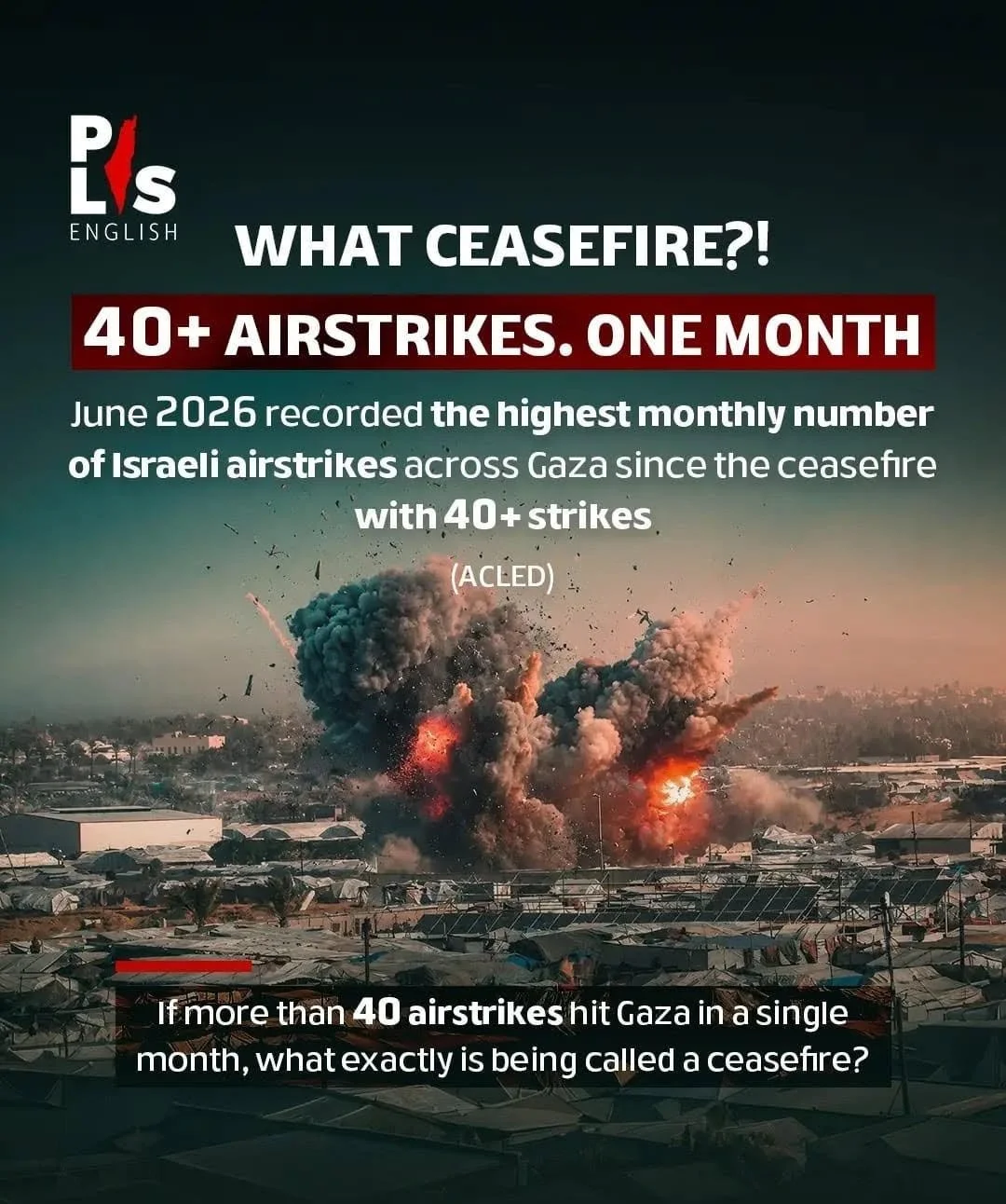
No end to impunity accorded Israel in the Gaza Strip
On July 5, Israel continued its genocidal attacks on Gaza by bombing a vital water station near Gaza City, killing two people and wounding several others as they stood in the gathering waiting to fill their containers with water.
The extent of water-related war crimes that Israel has carried out in Gaza since October 2023 is documented in Thirst as a Weapon, a 10-page report released in May 2026 by the Al Mezan Center for Human Rights. The report describes the widespread destruction of Gaza’s water infrastructure and the severe harm to residents caused by their exclusion from all sources of water within the nearly 70 percent of the Gaza Strip within Israel’s self-declared ‘yellow zone’. The amount of water currently available per capita to residents is a quarter of what was available before the war when Gaza was already experiencing a serious water crisis. Only 6-7 liters per day per person is now suitable for drinking.
Water as a tool of ethnic cleansing in the West Bank
Israel’s use of water to drive Palestinians from their land accelerated on July 23 according to a report by the Wafa News Agency. It describes armed settlers seizing water wells south of Yatta, and destroying water pipelines and diverting water from the village of Birin near Bethlehem to the outpost they built on land stolen from Palestinian farmers.
Israel is meanwhile threatening to seize the large ancient reservoirs near Bethlehem known as Solomon’s Pools. A 1995 Oslo Accords agreement included them in Area A under the authority of the Palestinian Authority.
Alliance for Water Justice in Palestine