Because they can...

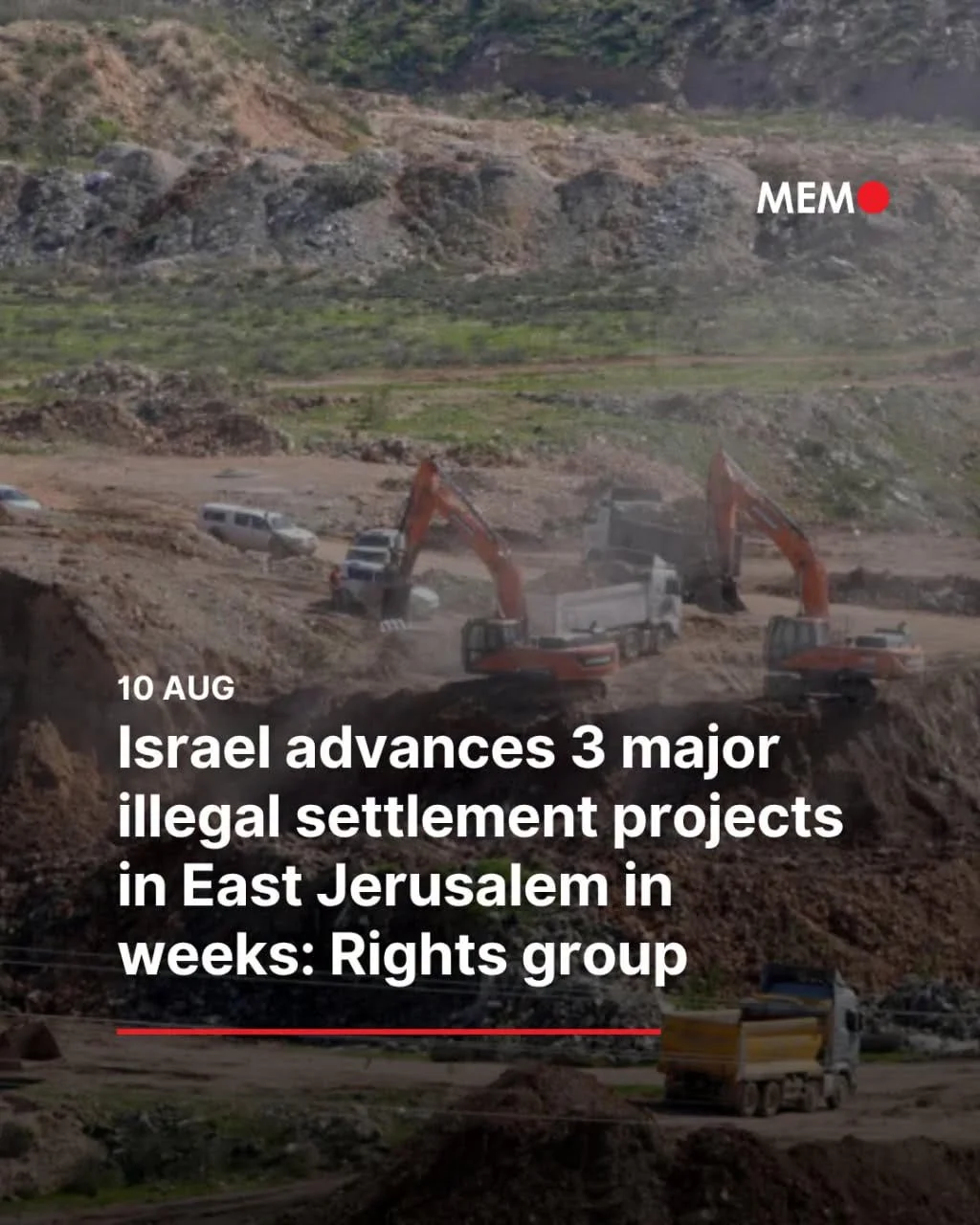
The Israeli government has advanced three major illegal settlement projects in East Jerusalem within a few weeks, involving more than 3,400 units, in an effort to strengthen Israeli control over the occupied city, an Israeli rights group said Monday.

Ir Amim, an Israeli organization focused on East Jerusalem, said in a statement that Israeli authorities had advanced the three projects, less than three months before legislative elections scheduled for Oct. 27.

Read: https://www.middleeastmonitor.com/20260810-israel.

Just Environmental Transition and Water Justice and Governance in Palestine: “No Justice with Occupation”

1         Introduction

The intertwined challenges of just environmental transition (JET) and water justice have emerged as critical global and local concerns, particularly in regions grappling with unique sociopolitical landscapes. In Palestine, these issues are not merely environmental; they are deeply embedded within a complex matrix of political realities, resource scarcity, and historical injustices. The prolonged Israeli occupation of Palestine has further exacerbated the injustices by depriving Palestinians of their right to water and the environment; overexploiting Palestinian resources; and committing violence against the people, their properties, and infrastructure, especially with regards to water and the environment. This is in violation of Israel’s obligation as the occupying power under international law and conventions.

As the world looks to increasingly shift toward low-carbon, sustainable development models, a just transition has become paramount. The principle of just transition asserts that the move toward environmental sustainability must not exacerbate existing inequalities but rather actively contribute to social and economic equity for all. Equally, in a context marked by severe water scarcity and prolonged occupation, the pursuit of environmental and water justice in Palestine presents a multifaceted challenge demanding a comprehensive and integrated approach: one that addresses water justice as well as the actions of the occupation and that seeks to end the occupation as a main step toward justice for Palestinians. There cannot be water justice in Palestine under the continued occupation and the violence being committed by the Israeli state.

This report delves into the perspectives of various Palestinian stakeholders – including governmental bodies, civil society organizations (CSOs), and agricultural associations – on the concepts of JET and water justice. It synthesizes their insights on the adoption of these approaches in national policies, the mechanisms for civil society engagement in decision-making, and the prevailing challenges and opportunities. By analyzing these diverse viewpoints, this report aims to provide a nuanced understanding of the complexities involved, highlighting commonalities and divergences in perspectives and offering a robust framework for future action.

Understanding these dynamics is crucial for policymakers, international organizations, and civil society alike. It provides a foundational knowledge base to formulate more effective and sustainable policies and programs that ensure equitable and inclusive development, while acknowledging the unique circumstances and formidable challenges faced by the Palestinian people. This report seeks to foster constructive dialogue and collaboration among all stakeholders, paving the way for a more just and sustainable future in Palestine.

The current report is prepared under the Just Transition Green Bridge Project, which is funded by the EU through its civil society facility for the Mediterranean and by Sweden through the Swedish International Development Cooperation Agency and implemented by the Arab Reform Initiative through the Palestinian Environmental NGO Network.

2         Methodology

The methodology followed includes a desk study, where the authors reviewed and relevant literature on JET and water justice, and fieldwork. The latter involved the identification of the main stakeholders from both government and CSOs related to water and the environment. In total, 30 institutions were interviewed in both the West Bank and Gaza: 16 government institutions (11 in the West Bank and five in the Gaza Strip) and 14 NGOs (10 in the West Bank and four in Gaza). For further details, see Annex 1. A questionnaire was conducted to cover most of the issues related to a JET and water justice. The identified stakeholders were interviewed to elicit and document their opinions on these issues in Palestine, including the core challenges that could affect their realization. The data collected was analyzed and the results were drawn from various stakeholders.

The results of the stakeholder mapping and analysis were also presented to the stakeholders for further consultation and verification during the first stakeholder consultation workshop, and the feedback obtained fed into a first draft of the report. During a second stakeholder consultation workshop, the first draft of the report and principal results, including feedback from the first workshop, were presented. One last workshop was organized where the results were presented to a wider group of stakeholders including donors and other related actors. The comments from this workshop were integrated into the final report.

Down load PDF

The views represented in this paper are those of the author(s) and do not necessarily reflect the views of the Arab Reform Initiative, its staff, or its board.

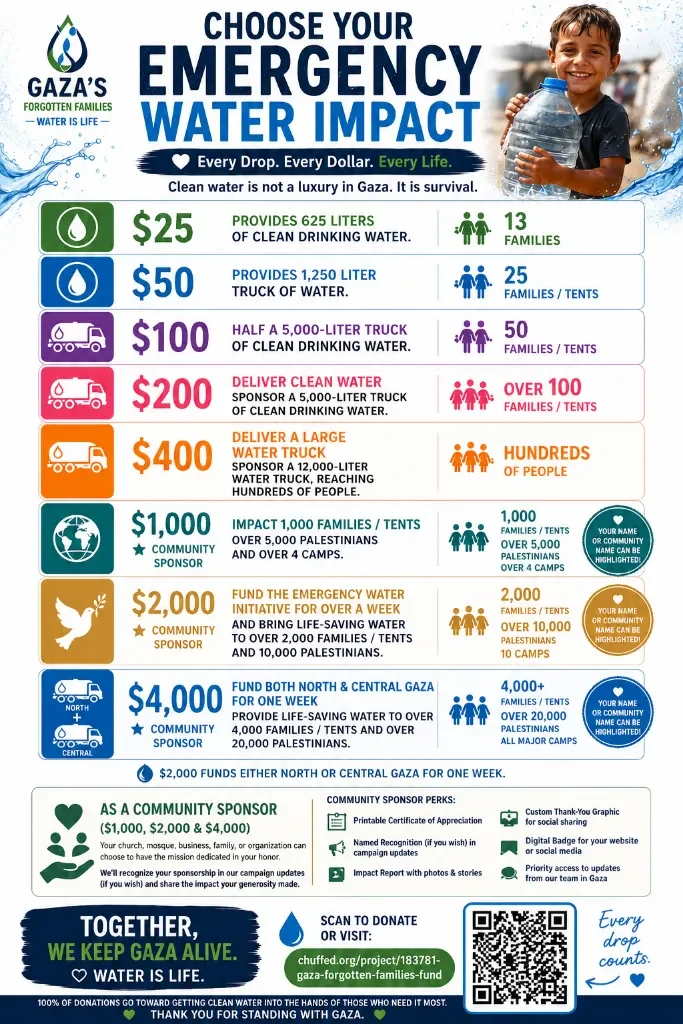
Great article on water and Gaza: It makes in personal

GAZA'S REALITIES

Water Water Everywhere…

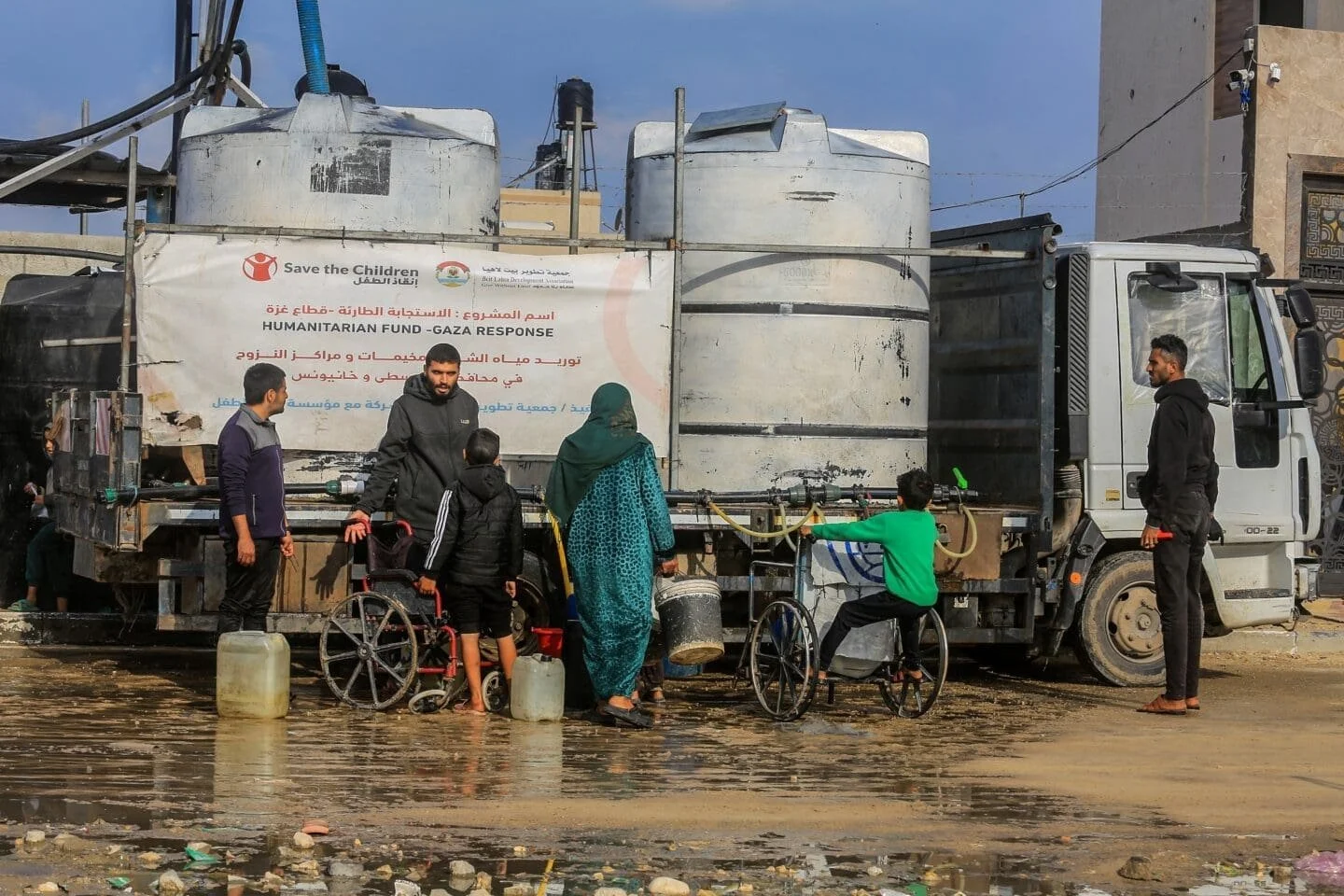
Gaza’s Daily Hunt for Water

JEMBY August 9, 2026

Water, water, water. Everywhere I turn lately, all I can see and hear are people talking about water. There’s not enough. People are parched. People are dehydrated. People are dying because of lack of water.

The word “water” is literally on everyone’s lips, ironically except on the lips of Palestinians.

Why is that, do you think? Is it because Palestinian lives have always been considered exceptions to everyone else’s? Does being Palestinian somehow exempt you from the need for daily water? Are the “resilient” Palestinian people somehow possessed with magical powers and strength that allow them to survive with the bare minimum of access to water?

Well, I hate to burst your bubble. But Palestinians are human — just like me and you. They generally come with two kidneys, two lungs, a liver, a heart, and all the other major organs you and I have.

They come with skin that gets burnt. Skin that gets bitten by insects. Skin that gets dry and gets rashes. Skin that needs water to hydrate and soothe, especially in these soaring temperature months of summer.

Let me take you on a little journey.

How did your day start today? What’s the first thing you did when you woke up?

Did you go to the toilet?

Did you brush your teeth?

Did you wash your face and hands?

Did you take a shower?

Did you fill the kettle and make yourself a cup of tea or coffee?

Maybe you decided to boil an egg or two for breakfast?

Maybe that little pot of herbs on your windowsill in the kitchen needed a bit of watering?

Maybe you decided to do a laundry wash today?

Maybe you were lazy and didn’t wash up the dishes last night, so you put on the dishwasher or washed them in the sink?

Whatever you did, I want you to walk yourself back through every action and see how many involved water.

Every single one of those normal, small actions demands water, and most of us just really take it for granted. But imagine if it was all suddenly taken away.

Your toilet is now backed up with waste that has nowhere to go.

Your mouth is dry and smells foul because you can’t brush your teeth.

You can’t wash your face or hands, and you’ve just used the toilet.

Shower? What shower?

Kettle? What kettle? Even if you had enough water to fill a kettle, you have no way of heating it anyway.

Boil an egg? You haven’t been able to afford eggs for months, so that’s off your list anyway.

The little herb pot you used to have is no longer there because you don’t have a windowsill in your fabric shelter.

Laundry wash? The only other set of clothes you have will just have to air out in the sun. You can’t waste water on washing clothes.

And don’t get me started on the dishes. You didn’t eat last night because there was no food, and therefore there are no dishes to wash anyway. First win of the day...


Read the entire article here.