Nov 21
By Shaimaa Eid
Collapsed sewage systems have forced displaced Palestinians to dig dangerous pits, threatening lives and contaminating Gaza’s soil and water supplies.
Collapsed sewage systems have forced displaced Palestinians to dig dangerous pits, threatening lives and contaminating Gaza’s soil and water supplies.
The humanitarian and environmental catastrophe in the Gaza Strip is worsening as sewage disposal becomes a dangerous daily struggle.
The widespread destruction of sewage networks, pumping stations, and treatment facilities has forced displaced Palestinians to rely on makeshift solutions, particularly soakaway pits. These pits have become a direct threat to their lives and health, while posing long-term risks to the environment and groundwater.
In the narrow spaces between tents, displaced families live just meters from sewage: a pit dug into the sand, a water tank standing beside it, a pathway used by children, and ground saturated for months with enormous quantities of wastewater.
This is the reality taking shape in displacement camps, where danger no longer comes only from the sky or the rubble of destroyed homes. It also lurks beneath people’s feet.
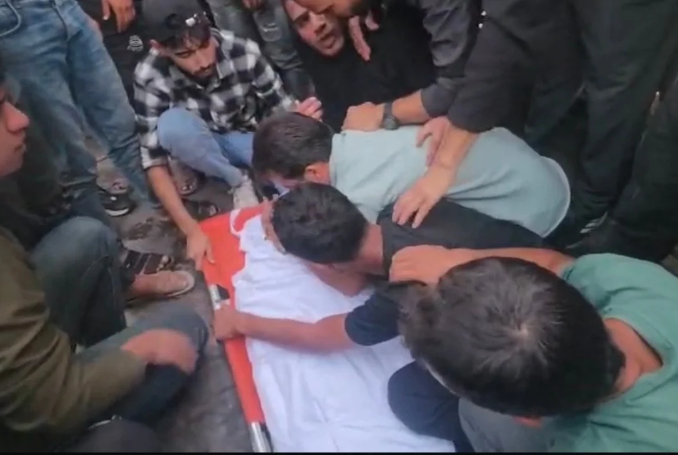
The pits that families dug as an emergency solution following the collapse of sanitation services have gradually become life-threatening. Unstable pits have caused fatal collapses and falls, while leaking wastewater and human waste contaminate the soil and groundwater. The resulting environmental and health crisis is becoming increasingly difficult to contain as infrastructure deteriorates and the resources needed to repair it remain unavailable.
Read the rest of the article here: